18 Apr 2026
Rawwheel products are designed for reliable performance across multiple environments. Users value their consistent build quality and straightforward integration into existing setups. This briefing covers core aspects without unnecessary complexity.

Core Design Elements
Rawwheel components typically feature durable materials selected for resistance to wear and environmental factors. Precision engineering ensures balanced rotation and minimal vibration during operation. Available sizes accommodate different load requirements while maintaining structural integrity over extended periods. Compatibility with standard mounting systems reduces installation time for most users.
Practical Applications
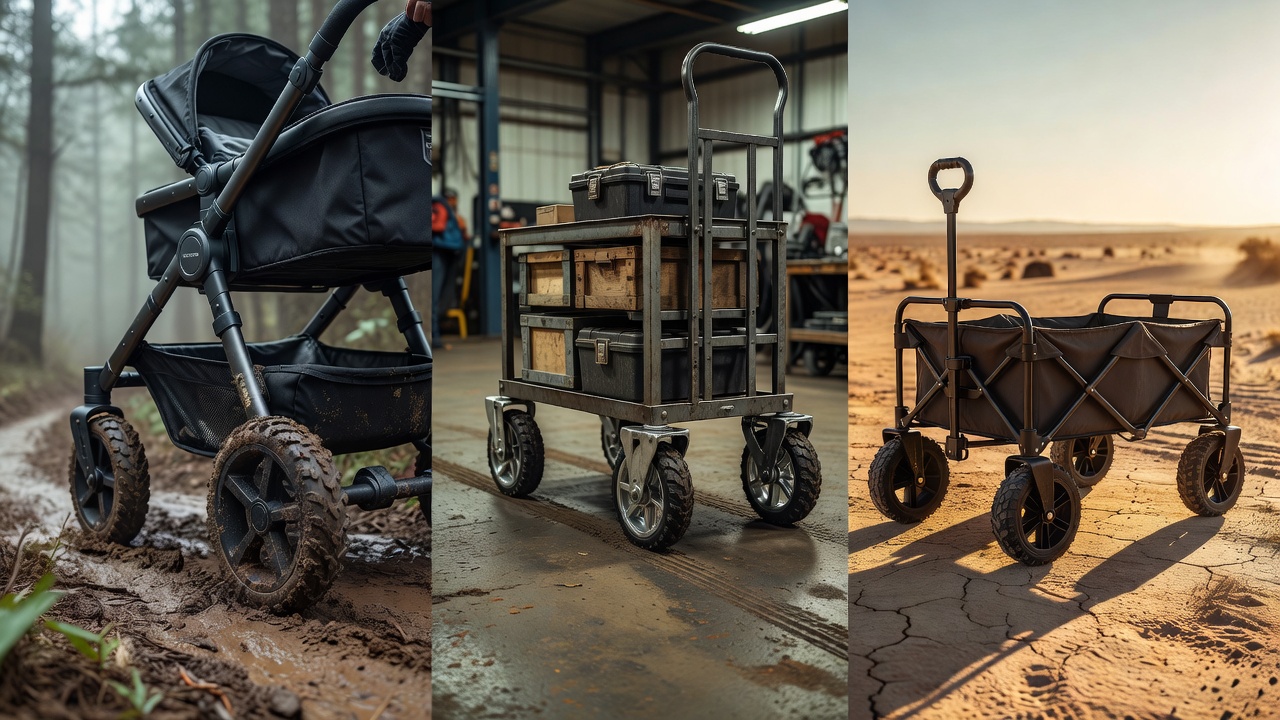
These wheels serve well in transportation, equipment mobility, and light industrial tasks. Proper selection depends on surface type, weight capacity, and frequency of use. Regular inspection of tread patterns and bearing condition helps maintain smooth function. Replacement intervals vary based on usage intensity but follow manufacturer guidelines for optimal results.
Maintenance Practices
Cleaning after exposure to debris or moisture prevents premature degradation. Lubrication of moving parts at recommended intervals supports longevity. Storage in dry conditions away from direct sunlight preserves material properties. Tracking usage patterns allows timely adjustments before performance declines noticeably.